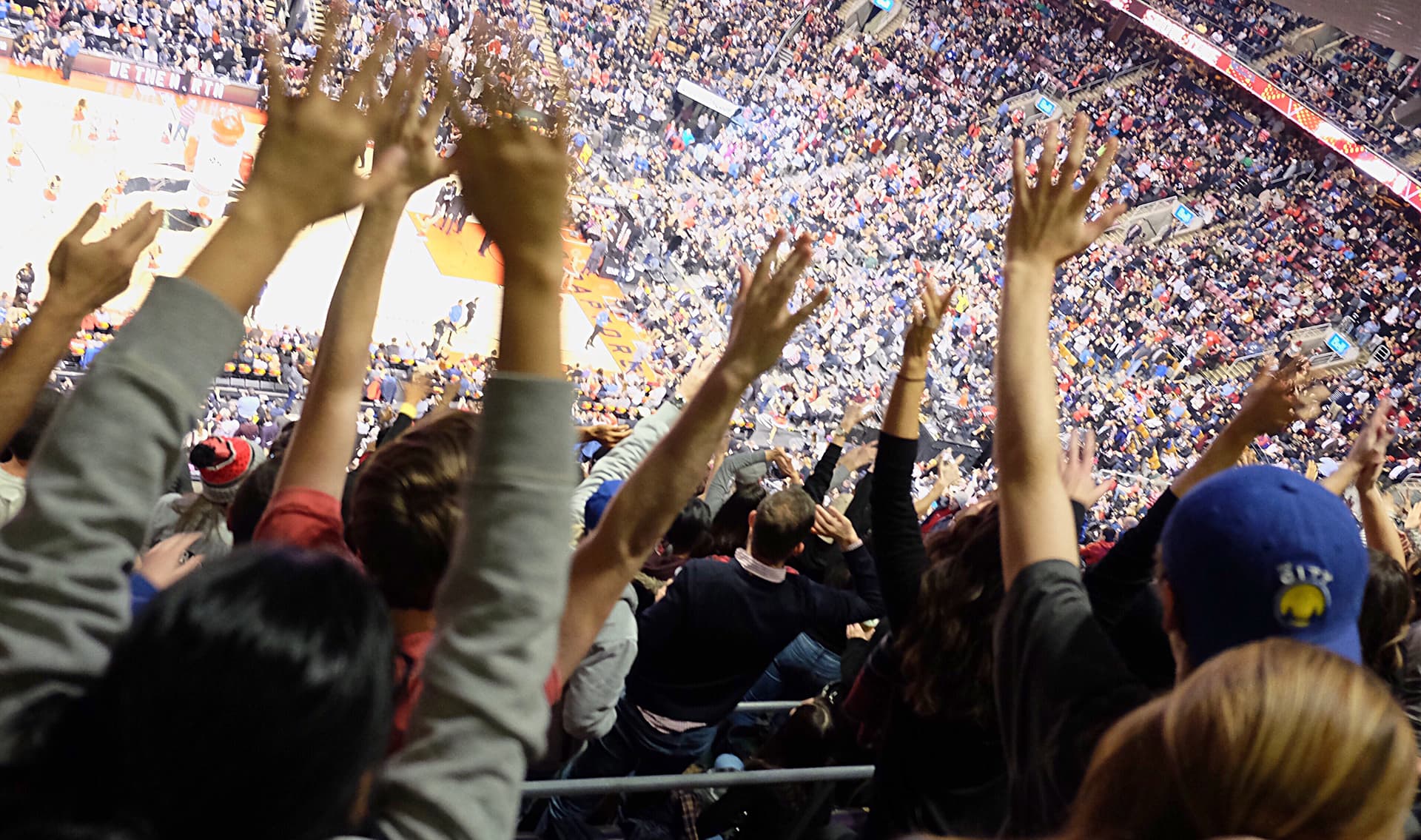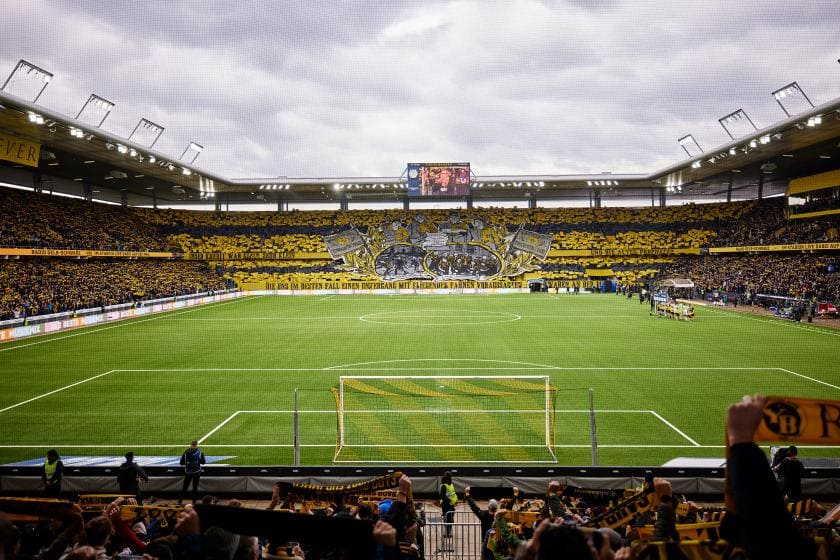
A sold-out stadium is one of sport’s most satisfying sights. It signals demand, passion, and belonging. Clubs celebrate it. Fans take pride in it. Headlines treat it as proof of success.
But behind the scenes, “sold out” can hide an uncomfortable truth: full seats don’t always mean full value - for clubs or for fans.
For many supporters, a sell-out doesn’t feel like a victory. It feels like a scramble. Loyal fans miss out within minutes, only to see tickets reappear on resale sites at inflated prices. Families are priced out. Trust erodes. And while third-party marketplaces profit, clubs are left with full stands, but limited insight, control, or upside.
Filling seats is not the same as monetising them, and it certainly isn’t the same as building loyalty.
While third-party marketplaces profit, clubs are left with full stands, but limited insight, control, or upside.
The myth of sell-out success
Sell-out status is often treated as the ultimate KPI. But it’s a blunt metric. It measures demand, not value. It tells you nothing about who is attending, how they got their ticket, or what the experience does for the long-term relationship between club and fan.
In practice, sell-outs can reward speed and automation over loyalty. Bots and resellers thrive, making up to 40% of ticket traffic today. Seasoned supporters are pushed to the margins. And the emotional bond clubs rely on - often built over generations - is quietly undermined.
True success isn’t just about attendance. It’s about ensuring the right fans are in the stadium, feeling valued, recognised, and eager to come back.

Where value quietly slips away
One of the biggest drains on both revenue and trust is uncontrolled resale. When tickets change hands on unofficial platforms, fans often pay well above face value. An academic analysis of ticket resale activity found that the average markup on tickets resold via major secondary platforms was around 39% above face value - with 25% reselling at more than 67% above face value. Uncontrolled resale also means there is no guarantee of validity. Clubs earn nothing from these mark-ups, lose visibility of who’s attending, and take the reputational hit when something goes wrong.
The average markup on tickets resold via major secondary platforms was around 39% above face value.
Another missed opportunity lies in the matchday journey itself. For sold-out fixtures, demand is at its peak, yet many clubs offer no upgrades or add-ons during the buying process. Hospitality, parking, merchandise, or food and beverage bundles are either invisible or presented too late to matter. For fans, that means more friction. For clubs, it means lower basket value on the matches where fans are most willing to engage.
Then there’s the data gap. When tickets are resold off-platform, clubs often don’t know who actually walks through the turnstiles. Loyal fans aren’t recognised. First-time attendees aren’t welcomed or nurtured. Retargeting, personalisation, and meaningful follow-up become impossible. Every sold-out match should deepen the relationship. Instead, many reset it to zero.
Static pricing compounds the issue. Treating every fixture the same ignores reality. High-demand matches attract different audiences, higher willingness to pay, and greater appetite for premium experiences. Without the ability to adapt pricing or access rules, clubs leave revenue on the table that could be reinvested into the fan experience.
The hidden cost to fans
These failures don’t just hurt the balance sheet. They directly affect supporters, with 80% of fans believing secondary ticketing services unfairly exploit consumers.
Fans overpay on secondary markets. They worry about fake or duplicate tickets. Loyal followers are locked out while speculative buyers get in. And when the experience feels unfair or opaque, trust fades - sometimes permanently.
What’s more, clubs that lose visibility into who actually attends miss out on a key driver of long-term loyalty: personalisation. Today’s fans want experiences that recognise them as individuals, with 89% saying they are more likely to return to a venue that offers personalised experiences.
In sport, loyalty is emotional capital. It’s powerful, but fragile. Once damaged, it’s difficult and expensive to rebuild. But when clubs know their fans, treat them like people rather than inventory, and tailor interactions based on real data, they reinforce trust, strengthen bonds, and unlock deeper lifetime value.
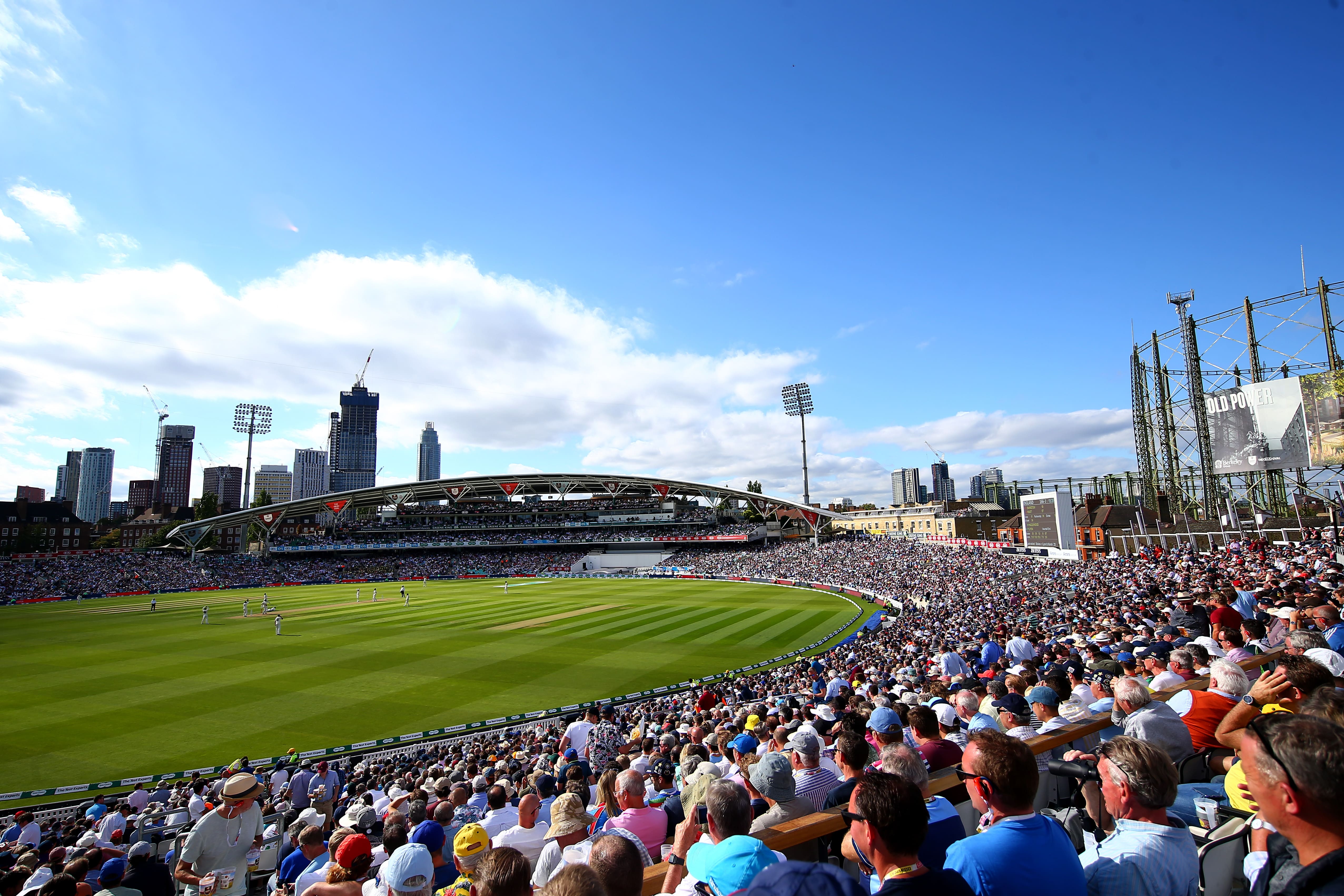
Ticket revenue+: total matchday value
The most forward-thinking clubs are reframing how they define success. Instead of focusing solely on ticket revenue, they look at total matchday value.
That includes the initial sale, but also what happens next. Secure, club-controlled resale that keeps fans safe and value in-house. Upgrades and add-ons that enhance the experience rather than exploit demand. Data that helps clubs understand who their fans are and how to serve them better in the future.
In this model, every ticket is more than a transaction. It’s the start of a relationship.
Data helps clubs understand who their fans are and how to serve them better in the future.
How fan-first clubs are closing the gap
Clubs making progress in this space share a common mindset: fan experience comes first, and revenue follows.
They bring resale back under their control, ensuring prices stay fair and tickets remain authentic. They integrate upsells naturally into the digital journey, giving fans choice and convenience. They prioritise mobile-first ticketing tied to real identities, making it easier to recognise loyalty and build long-term value. And they use smarter pricing and access rules to manage peak demand and keep scalpers at bay without alienating core supporters.
The result is more than higher revenue. It’s stronger trust, deeper engagement, and more resilient loyalty.
How SECUTIX takes clubs beyond sell-out
A sell-out should be the starting point, not the finish line. And that’s exactly how SECUTIX is designed to work.
By keeping ticketing, resale, upgrades and fan identity inside a single, secure ecosystem, SECUTIX helps clubs hold on to value that would otherwise leak out to third parties. Official, club-controlled resale keeps fans safe and prices fair, while ensuring revenue and insight stay with the club. Integrated upsells and hospitality offers allow clubs to increase matchday value at moments when demand - and fan intent - is highest. And mobile-first ticketing tied to real identities means clubs know who actually attends, making it possible to recognise loyalty, personalise engagement, and build lasting relationships.